Navigating the Future: Key Leadership Trends from 2025
This article will explore these two primary leadership challenges. First, we will examine why crafting and communicating a clear strategy has become so difficult. Second, we will discuss the shift in sales from transactional encounters to meaningful relationship development. Finally, we will look ahead to 2026, considering how these priorities will evolve alongside emerging technologies like AI.
The Strategy Story: More Than Just a Plan
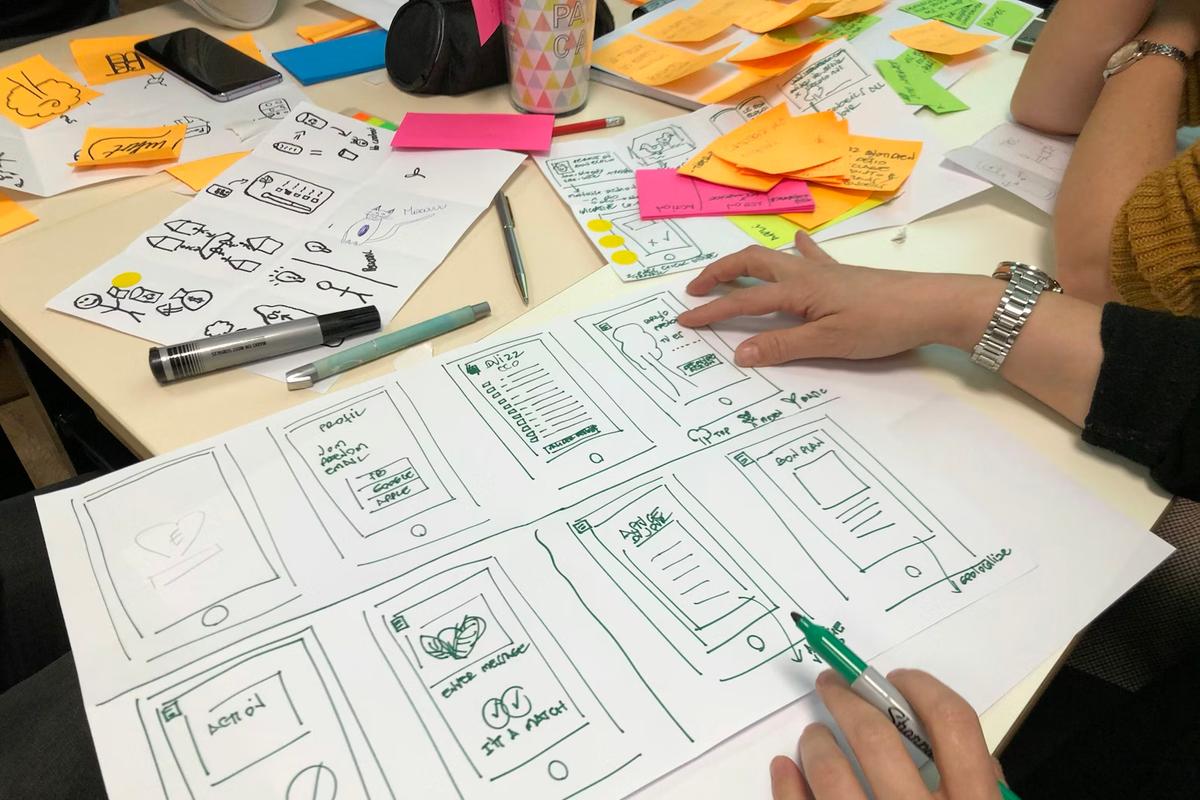
One of the most common requests for support we received in 2025 focused on strategy. However, the issue was rarely the absence of a plan. Most organisations had a strategy document, often detailed and thoroughly researched. The real challenge was twofold: articulating the strategy in a way that resonated with people and ensuring it was a living guide for decision-making, not just a file on a server. There was a deliberate vision or mission, full of purpose and actionable values to drive behaviour. The missing link was tactical, in the way that Design Thinking asks you to walk in the shoes of your ‘user’, tactics demand that you think about the customer as the foundation of all decisions.
The Struggle with Strategic Language
Leaders frequently struggled to translate complex strategic goals into a simple, compelling narrative. A 50-page slide deck outlining market analysis and five-year financial projections is not a story that inspires action. Teams were often left confused about how their daily tasks connected to the bigger picture. This disconnect leads to misaligned priorities, and a feeling of wasted effort.
We observed that the most effective leaders were exceptional storytellers. They could expand the essence of their strategy into a clear and memorable message. This narrative answered the fundamental questions every customer has: How can you support our business and people to be better and achieve more? Will your business support our business to drive growth or be more profitable, if so, how? A powerful strategic story provides context, creates emotional connection, and empowers action toward a common goal. Successful leaders in 2025 fostered a culture where the tactics were a constant topic of conversation. They created forums for dialogue, encouraged questions, and were transparent about progress and setbacks. This approach ensured the strategy remains adaptable and that the entire organisation feels a sense of ownership over its success.
Redefining Sales: The Power of Authentic Relationships
The second major trend we observed was a fundamental shift in how leaders approach business development and sales. The old model of aggressive pitching and closing deals is becoming less effective. Instead, the focus has moved toward building genuine relationships and acting as a trusted advisor. This is a subtle but profound change in mindset. A recurring theme in our conversations with partners was the idea that we never set out to "sell" anything. Our primary goal is always to understand the challenges others are facing and to offer support and solutions. We focus on building trust, sharing knowledge, and helping people solve their problems. Interestingly, this approach often results in a commercial transaction.
This isn't a trick or a pitch; it's a philosophy. When you prioritise helping others succeed, you build deep, lasting relationships. People want to work with those they trust and respect. The sale becomes a natural outcome of a valuable partnership, not the sole objective of an interaction. This method fosters loyalty and turns clients into advocates.
This relationship-centric approach transforms the sales process from a series of transactions into a journey of mutual growth. It requires leaders to cultivate empathy, active listening, and a genuine desire to serve. Sales teams are no longer just hitting quotas; they are building a network of strong partnerships. This shift has significant implications for how we train and develop our people. The skills required are less about persuasion and more about consultation. It’s about understanding a client’s business so deeply that you can anticipate their needs and proactively offer solutions.
Looking Ahead to 2026: Enduring Priorities in an AI-Driven World
As we turn our attention to 2026, the conversation in leadership circles is increasingly dominated by artificial intelligence. AI promises to reshape how we work, make decisions, and lead our teams. Research and development in AI-powered leadership tools will undoubtedly accelerate, offering new ways to analyse data, automate tasks, and enhance productivity.
Despite this technological wave, the core challenges of 2025 will not disappear. In fact, they may become even more critical. Strategy and sales, at their heart, are deeply human endeavours. They rely on communication, trust, and connection, qualities that AI can support but not replace.
Leading our way through this commercially complex time requires a dual focus and we are forever committed to support our partners through a NZIM Corporate Subscription, probably the best $1,200 you’ll invest in 2026. Adding Design Thinking to our complimentary SkillBOX courses ensures we provide you with the best educational pathway to navigate the current environment.
If you are a current subscriber, welcome back and if you are yet to explore all that NZIM has to offer, reach out. You have more to gain than you know.